As more people become conscious about the air they breathe and the products they bring into their homes, candles are being carefully reconsidered. Traditional paraffin candles are often questioned for their emissions, especially in homes with children, pets, or allergy-sensitive individuals. This has led many consumers to ask an important question:
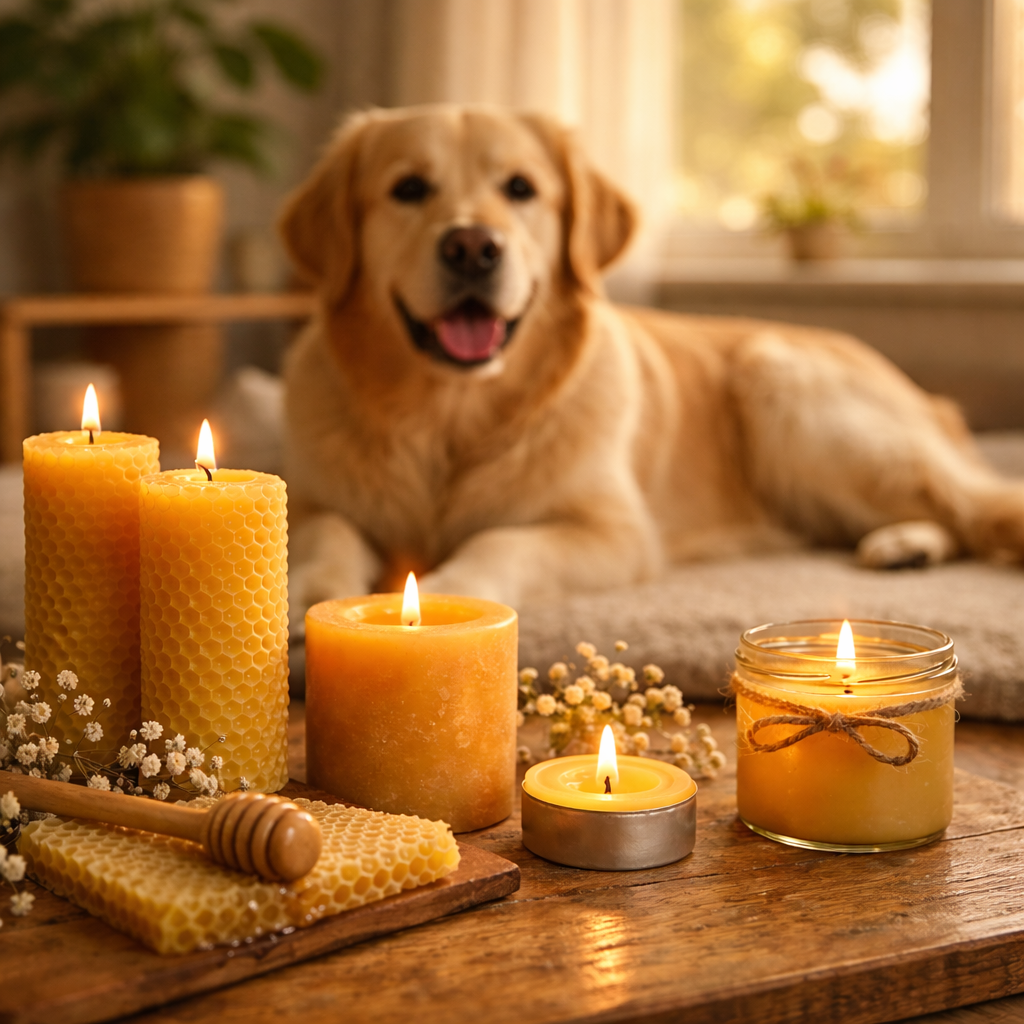
Are beeswax candles safe for health and pets?
The short answer is yes — when they are made from 100% pure beeswax, beeswax candles are one of the safest candle options available. In this article, we’ll explore the science, myths, and facts behind beeswax candles, including VOCs, pet safety, allergies, and the commonly discussed air-purifying claims. Read more about Lumin Wick Beeswax Candles
What Makes Beeswax Candles Different?
Beeswax is a natural wax produced by honeybees to build honeycomb structures. Unlike paraffin wax, which is a petroleum byproduct, beeswax is renewable, biodegradable, and free from synthetic chemicals.
High-quality beeswax candles typically contain:
- 100% pure beeswax
- Natural cotton or hemp wicks
- No artificial fragrance oils or dyes
Because of this simple and natural composition, beeswax candles burn cleaner and more predictably than many mass-produced alternatives.
Are Beeswax Candles Non-Toxic?
One of the biggest concerns with candles is toxic emissions. Many conventional candles release substances such as:
- Toluene
- Benzene
- Formaldehyde
These compounds fall under volatile organic compounds (VOCs) and are linked to respiratory irritation and long-term health risks.
Beeswax Candles and VOCs
Pure beeswax candles produce little to no harmful VOCs when burned correctly. Studies and air-quality testing consistently show that natural waxes, including beeswax, emit significantly fewer pollutants compared to paraffin-based candles.
This makes beeswax candles an excellent option for:
- Homes with children
- Individuals with asthma or respiratory sensitivities
- Anyone seeking non-toxic home fragrance alternatives
If indoor air quality is important to you, beeswax candles are among the safest choices available.
Are Beeswax Candles Safe for Pets?
Pet owners often worry about how candles affect their animals — and rightly so. Pets have more sensitive respiratory systems, especially birds, cats, and dogs.
Why Beeswax Candles Are Pet-Friendly
Beeswax candles are generally considered safe for pets because:
- They do not release synthetic fumes
- They burn without artificial fragrance oils
- They contain no petroleum-based toxins
Unlike heavily scented candles, which may contain essential oils that are toxic to cats and dogs, unscented or naturally scented beeswax candles pose minimal risk when used responsibly.
Safety Tips for Pet Owners
- Always burn candles in well-ventilated areas
- Keep candles out of reach of pets
- Avoid added essential oils if you have cats
- Never leave candles unattended
When these guidelines are followed, beeswax candles are one of the most pet-safe candle options available.
Beeswax Candles and Allergies
Another common concern is whether beeswax candles trigger allergies. The good news is that beeswax candles are hypoallergenic for most people.
What About Pollen in Beeswax?
Pure beeswax may contain trace amounts of pollen, but the quantities are extremely small. For the vast majority of individuals, this does not cause allergic reactions.
In fact, many allergy-sensitive users report that beeswax candles are easier to tolerate than scented or paraffin candles because:
- No synthetic fragrances
- No chemical additives
- Minimal soot production
If you have severe pollen allergies, it’s best to start with short burn times and observe how your body reacts. However, adverse reactions are rare.
Do Beeswax Candles Really Purify the Air?
You may have heard that beeswax candles “clean” or “purify” the air. This claim is often misunderstood, so let’s explain it accurately and responsibly.
The Truth About Air Purification
Beeswax candles do not function like air purifiers or HEPA filters. However, they do have properties that may help reduce airborne particles in small, enclosed spaces.
When beeswax burns, it can produce negative ions, which may bind with positively charged particles like:
- Dust
- Pollen
- Smoke particles
This process may help these particles fall out of the air more quickly. While this effect is subtle and limited, it does contribute to a cleaner-feeling indoor environment — especially compared to candles that actively pollute the air.
So while beeswax candles should not replace air filtration systems, they are a clean-burning option that does not degrade indoor air quality.
Why Beeswax Candles Are One of the Healthiest Candle Choices
When comparing candle types, beeswax consistently ranks at the top for safety and wellness:
| Candle Type | Safety Level |
|---|---|
| Paraffin | Low |
| Synthetic Soy Blends | Medium |
| Pure Soy Wax | Medium–High |
| 100% Beeswax | High |
Benefits of beeswax candles include:
- Cleaner burn with minimal soot
- Naturally pleasant honey-like aroma
- Long burn time
- No toxic byproducts
This makes beeswax candles ideal for bedrooms, living spaces, yoga rooms, and homes with pets or children.
How to Choose Safe Beeswax Candles
Not all “beeswax candles” are created equal. To ensure safety and quality, look for candles that:
- Clearly state 100% pure beeswax
- Use cotton or hemp wicks
- Avoid artificial fragrance oils
- Are made by transparent, reputable brands
Handcrafted beeswax candles made in small batches often offer the highest quality and purity.
Are Beeswax Candles Safe?
Yes — beeswax candles are safe for health and pets when they are made from pure beeswax and burned responsibly. They are non-toxic, low in VOC emissions, allergy-friendly for most people, and far safer than conventional paraffin candles.
If you are looking for a candle that aligns with wellness, sustainability, and clean living, beeswax candles are one of the best choices you can make.